
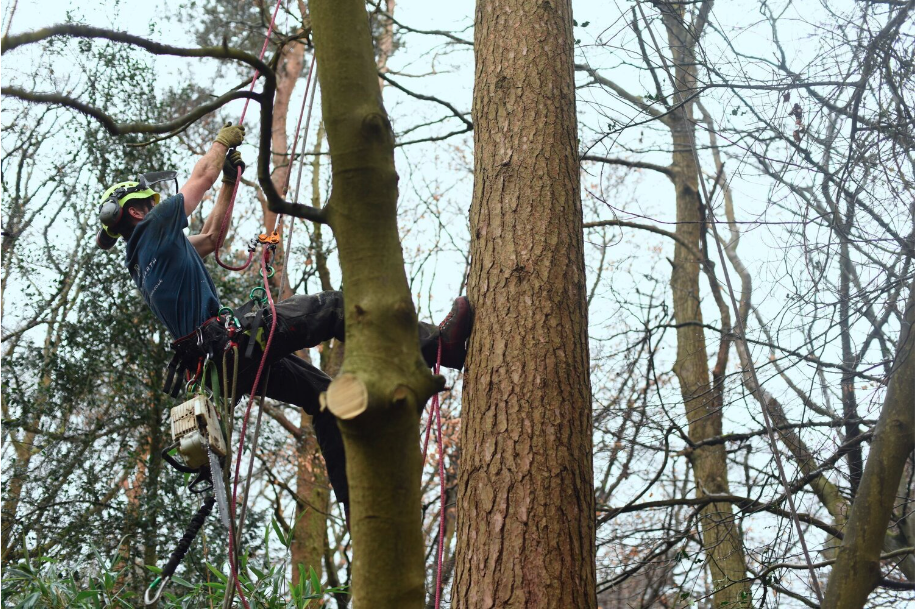
Wood Chipper Training
The wood chipper is an indispensable tool in the tree surgeon's repertoire. But they are also dangerous machines that require proper training if they are to be utilised safely and effectively. The DTE wood chipper training course is designed to give operators the knowledge and skills they need to put this device to productive use on residential, commercial or public jobsites.
About the Wood Chipper Training Course
Our wood chipper course typically starts with an overview of the different types of wood chippers. Course participants learn about the difference between gravity-fed and hydraulic-fed wood chippers and the various key components, including in-feed rollers, blades, discharge chutes and guarding systems.
A major part of the training focuses on health and safety. During this part of the course, current laws and regulations, operator responsibilities and the importance of risk assessments are covered. Common causes of accidents are examined and discussed, including kickbacks, entanglements and flying debris.
Just as important, behaviour and awareness around the device is examined with an emphasis on how to reduce risks associated with errant behaviour. Personal Protective Equipment is covered at length so that each participant learns how to determine what type of PPE is appropriate for each jobsite.
The Pre-Use Inspection
The pre-use inspection is another important aspect of the wood chipper training course. The pre-use inspection is where the operator learns how to check the machine before using it to ensure it and the work area are both safe.
The pre-use inspection typically includes:
Inspecting the blades and other cutting components.
Checking guards and bolts.
Testing the emergency stop bars and pull chords.
Ensuring all fluid levels in the machine are correct.
By the end of the wood chipper training course, participants will be able to operate a wood chipper safely and with a high degree of confidence.
Who Should Attend a Wood Chipper Training Course?
Our manually fed wood chipper course is suitable for a wide range of people working across arboriculture, forestry, horticulture, landscaping and grounds maintenance. Whether you are a person employed by a tree surgery company or someone looking to operate a chipper safely and effectively on your own site, this 1 day course gives you the practical skills and knowledge you need. Here is a look at who benefits most from this training:
Tree Surgeons and Arborists: If you work in arboriculture or forestry and regularly need to chip woody brash and process timber safely on site, this course ensures you can operate a manually fed wood chipper using approved techniques that meet current Health and Safety Executive legislation.
Grounds Maintenance and Landscaping Staff: For those in grounds maintenance, horticulture or landscaping roles, learning to use wood chippers correctly is essential. This training covers the safe use principles, maintenance requirements and safety checks you need to carry out before, during and after each operation.
Employers Sending Teams: If you manage a team that handles equipment on commercial or domestic sites, providing sufficient training is not just good practice. It is a legal requirement under the Provision and Use of Work Equipment Regulations. This course helps you meet that obligation.
Landowners and Estate Managers: Property owners who need to maintain their own land and process long sections of brash will benefit from learning the correct procedure for feeding, operating and shutting down a manually fed wood chipper in a controlled and safe manner.
There are no formal pre requisites to attend. All we ask is that you arrive ready to learn.
What Happens on the Day?
This is a hands on course that balances theory with practical, real-world operation. The morning session covers the course description in detail, including machine safety features, how to identify hazardous materials in the feed stock, safety and environmental factors affecting your work area, and how to carry out a site specific risk assessment. You will also learn how to select appropriate personal protective equipment for each task and follow the safety guidelines that apply to your working environment. The session then moves on to how to identify defects during operator checks, stop the machine, prepare blades, and prepare the machine prior to use each day.
In the afternoon, you move on to the practical assessment. Under the guidance of our trainers, you will operate a range of professionally maintained wood chippers, practise removing blockages, chip woody brash for various end uses, and learn the correct procedure for transport, storage and disposal of processed material. Our small class sizes mean you get plenty of time on the machine with direct feedback throughout the day course.
Your Wood Chipper Certification
On successful completion of the assessment, you will receive the City and Guilds NPTC Level 2 Award in Safe Use of Manually Fed Wood Chipper. This certification is widely recognised across arboriculture, forestry, horticulture and grounds maintenance, and is often a requirement for insurance provision and commercial contract work. Full details of the qualification will be provided on the day.
This is more than just a certificate on a wall. It demonstrates to employers, clients and insurers that you have the knowledge, practical skills and safety awareness to operate wood chippers to the highest standard. It is a qualification that holds genuine value throughout your career.
Why Train With DTE Academy?
What makes our wood chipper training different is the commercial depth behind it. Our instructors use manually fed wood chippers on live job sites every week through Down To Earth Trees Ltd, so they understand the real challenges you will face. You will not be learning on domestic machines here. We train on professional-grade equipment, the same models you will encounter in arboriculture and forestry work, so you leave with the confidence to operate effectively from your very first day on site.
We also believe that how you learn matters just as much as what you learn. Our 1 day course is delivered in a friendly, supportive environment with hot breakfast, lunch and refreshments included. We maintain small groups so every student receives individual attention during both the theory and practical sessions. If you are looking for wood chipper training that combines real-world knowledge with an enjoyable learning experience, DTE Academy is the right choice. Get in touch to attend our next available course.
Conclusion
To sign up for our next wood chipper training course, call 01959 524 623, or email Tree Care Training at enquiries@dtetrees.co.uk. Your future as a tree surgeon will depend in part on your knowledge of this type of equipment, so sign up today.
FAQs
1. Who should attend wood chipper training?
Wood chipper training is suitable for anyone who operates, supervises, or works near woodchipping equipment. This includes tree surgeons, landscapers, grounds maintenance teams, forestry workers, and site operatives.
2. Why is wood chipper training important?
Woodchippers are powerful machines capable of causing serious injuries if handled incorrectly. Training helps operators understand the risks involved and teaches safe working practices that protect both the user and nearby workers.
3. Do I need previous experience to take a wood chipper course?
No prior experience is usually required. Many training providers offer beginner-friendly courses designed for new operators, while experienced users can take refresher or advanced programmes to update their knowledge.
4. How long does wood chipper training take?
The length of training depends on the type of course and the operator’s experience level. Some basic courses can be completed within a single day, while more detailed training programmes may take longer and include practical assessments.
5. Is there a practical element to the training?
Yes. Practical instruction is an essential part of wood chipper training. Candidates are normally required to demonstrate safe operation of the machine, including setup, feeding materials correctly, and shutting the equipment down safely.
6. What safety equipment is required during training?
Operators are generally expected to wear protective clothing such as safety boots, gloves, helmets, eye protection, and hearing protection. Some courses may also require chainsaw protective clothing depending on the working environment.
7. Can wood chipper training improve workplace safety?
Absolutely. Properly trained staff are more likely to follow safe procedures, identify risks early, and avoid dangerous mistakes. This can help businesses reduce downtime, injuries, and potential legal issues.
8. Does wood chipper training include machine maintenance?
Many courses include basic maintenance guidance, such as checking blades, inspecting guards, and carrying out daily safety checks. Understanding routine maintenance can help keep the equipment reliable and efficient.
9. How often should wood chipper operators refresh their training?
Refresher training is recommended periodically, especially if operators have not used the machinery for some time or if new regulations and equipment have been introduced. Regular updates help maintain safe working standards and operator confidence.